
Mahjong: A Cultural Journey Through Time
Introduction to Mahjong
Mahjong is an ancient game with a rich history and cultural significance. Originating in China during the Qing dynasty, Mahjong has captured the hearts of players worldwide with its intricate rules and strategic depth. The game involves skill, strategy, and a bit of luck, making it appealing to people of all ages. Mahjong transcends being just a game; it is a cultural phenomenon that brings people together, fostering a sense of community and shared experience.
The Origins of Mahjong
The creation of Mahjong is often linked to Confucius, though this is largely considered a myth. The more accepted theory is that Mahjong developed from various card and domino games in China. By the early 20th century, it had gained immense popularity, spreading to Japan and eventually reaching Western audiences. Its expansion was fueled by its easy-to-understand gameplay which blends cooperation and competition.
Understanding Mahjong Tiles and Gameplay
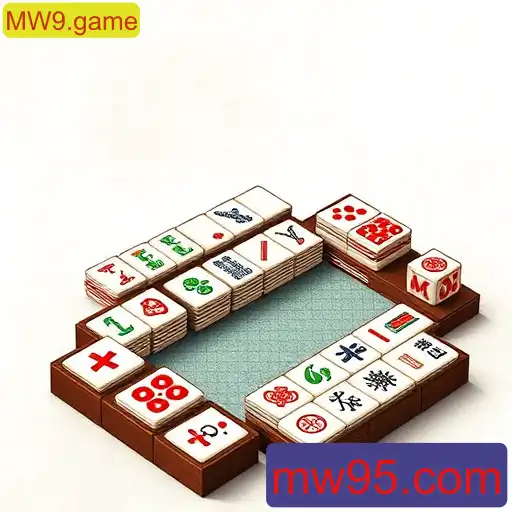
Mahjong is typically played with a set of 144 tiles based on Chinese characters and symbols, but variations exist with different tile sets. The tiles are divided into three suits — Bamboos, Characters, and Dots — along with Honor tiles and Bonus tiles. The objective of the game is to build a complete 'hand' of four sets and one pair. A set may be a 'pung' (three identical tiles) or a 'chow' (a sequence of three numerically consecutive tiles in the same suit).
The game starts with players drawing and discarding tiles to complete their hands. The strategy involves careful observation and memory, as players must track what tiles remain in play and predict opponents' moves. This dynamic interplay of skill and chance makes Mahjong a uniquely challenging and engaging game.
Global Expansion and Cultural Impact
The global spread of Mahjong began in the early 20th century, becoming especially popular in the United States during the 1920s. American Mahjong adopted new rules and unique sets of tiles to suit Western preferences. Often associated with Jewish communities in America, Mahjong became a staple social activity, akin to a cultural ritual that strengthens community bonds.
In Japan, the game evolved into the competitive and fast-paced Riichi Mahjong. Its popularity is reflected in the myriad of mahjong parlors scattered throughout Japan, catering to both novices and professional players alike. The game's portrayal in manga, anime, and competitive tournaments further fuels its enduring allure.
The Rise of Online Mahjong
With the advent of the internet, online Mahjong has become immensely popular. Platforms like MW9.game offer players the opportunity to engage in Mahjong matches against participants from all over the world. These platforms provide an interactive experience with various designs and rules that cater to different levels of expertise. The convenience of playing online has allowed a new generation to discover Mahjong, ensuring its continued relevance in modern times.
Technological Influence on Mahjong
The integration of new technologies has further transformed Mahjong, making it more accessible. Mobile applications and online platforms have introduced features such as tutorials for beginners, customizable settings, and interactive broad reviews. This technological infusion has made Mahjong not only more accessible but also more appealing to a diverse audience.
Conclusion
Mahjong, with its deep roots and expansive cultural reach, is more than just a game. Its ability to adapt and evolve over centuries speaks to its resilience and universal appeal. Whether played in the bustling streets of Hong Kong, on digital platforms like MW9.game, or at family gatherings, Mahjong continues to unite people around the world, offering both a challenge and a cherished community experience.